WATER CYCLE
Where does rain begin?
Water evaporates, condenses into droplets or ice crystals, and falls back to Earth in different forms. Local conditions shape each step.
Air, water, land, ice, and living things constantly interact. Explore how scientists study those systems—and how short-term weather differs from long-term climate patterns.
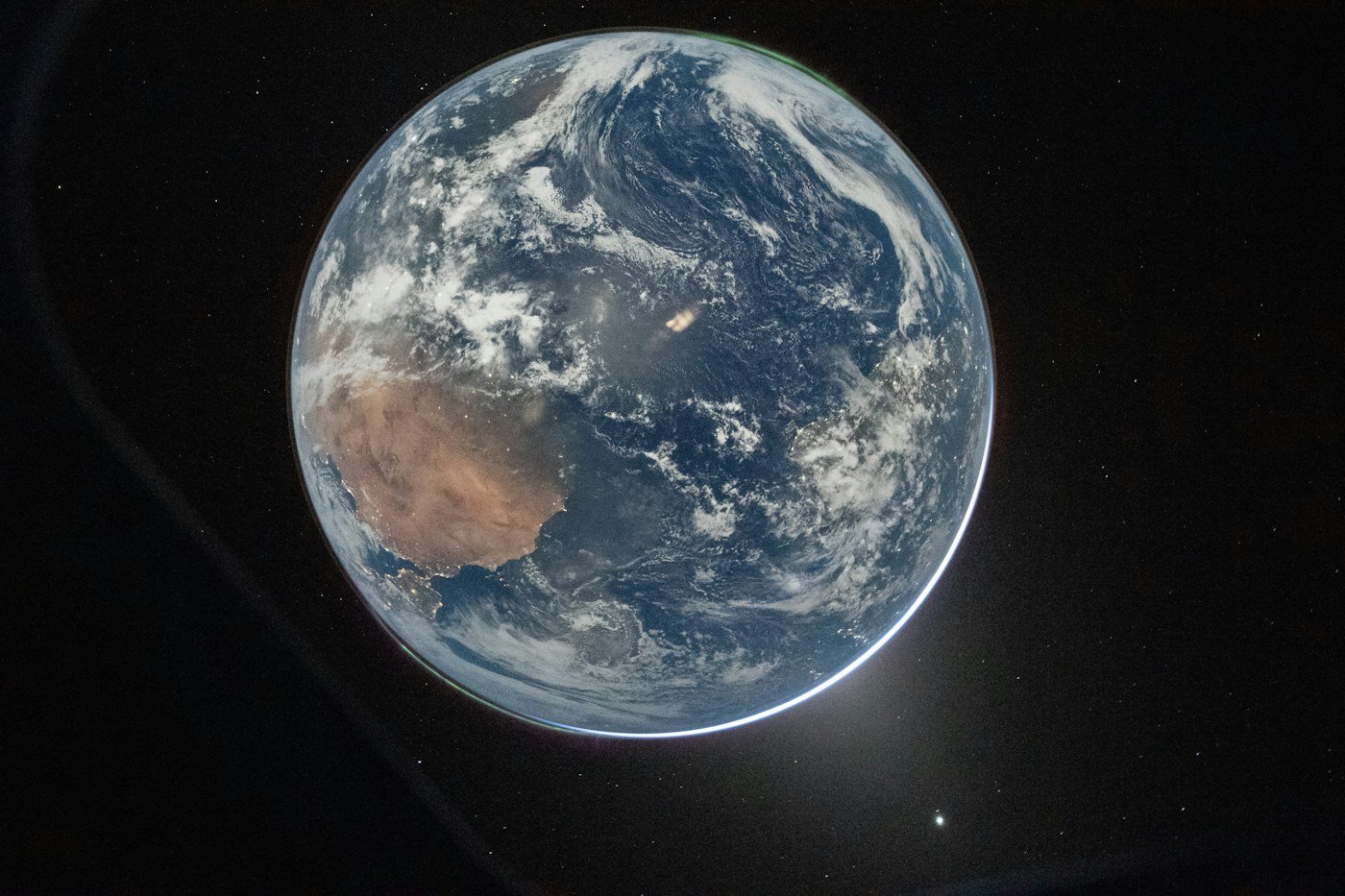
Water moves between the ocean, atmosphere, land, and living things. Sunlight warms the surface unevenly. Winds and ocean currents move energy. Rocks weather and soil forms over long periods. These processes influence one another, which is why Earth scientists combine measurements from field stations, satellites, instruments, and models.
Weather describes conditions over a short time and in a particular place. Climate describes patterns and ranges over longer periods. Looking at a single storm cannot tell you by itself what a climate trend is doing; scientists compare many measurements across time.
Earth science links everyday observations with planetary processes.
Water evaporates, condenses into droplets or ice crystals, and falls back to Earth in different forms. Local conditions shape each step.
Waves, currents, storms, sediment, and human construction all shape coasts. The balance varies from one shoreline to another.
Layers of ice can preserve clues about past atmospheric conditions. Researchers compare multiple lines of evidence before drawing conclusions about long-term change.