MATERIALS
Gather
Two sheets of the same paper, a tape measure, a clear indoor flight path, and a notebook.
These short activities use everyday materials to practice observation, fair comparisons, and clear notes. Use adult supervision when needed, and never taste materials used in an experiment.
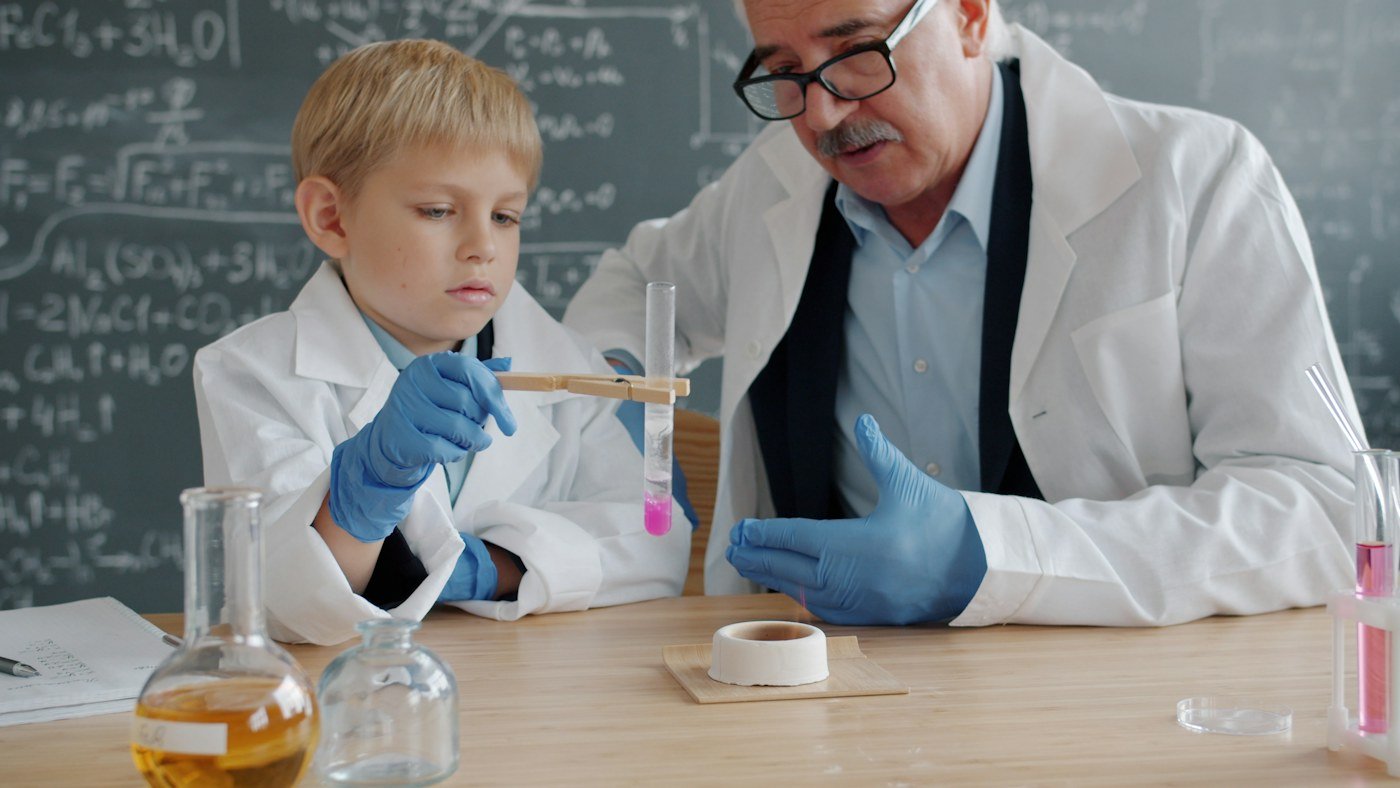
Change one feature at a time so you can tell which change may have mattered.
Two sheets of the same paper, a tape measure, a clear indoor flight path, and a notebook.
Make two plane designs that differ in just one feature, such as wing width. Predict which will travel farther.
Use the same starting line and launcher. Fly each design several times and record every distance.
Choose the best explanation.
A slow experiment can be a good one. Give the seedlings time and keep other conditions similar.
Place two similar seedlings in separate cups. Keep their water, soil, and temperature as similar as you can. Put one near a steady light source and rotate the other cup a little each day. Sketch the stems at the same time daily. What pattern do you notice?
Do not use sunlight through a magnifying glass or any method that heats the plant. Keep the activity on a stable surface and wash hands after handling soil.
Compare a small sample with the same procedure each time.
Cut equal-sized pieces from two paper towel brands. Add the same amount of water to a tray, dip one piece for the same number of seconds, then lift it and let excess water drip for a set time.
Compare mass with a kitchen scale if available, or observe how much water remains in the tray. Repeat each test and keep the paper size and timing consistent.
A small test does not prove that one brand always absorbs more. Paper thickness, texture, and manufacturing variation can affect results. Describe exactly what you tested.